
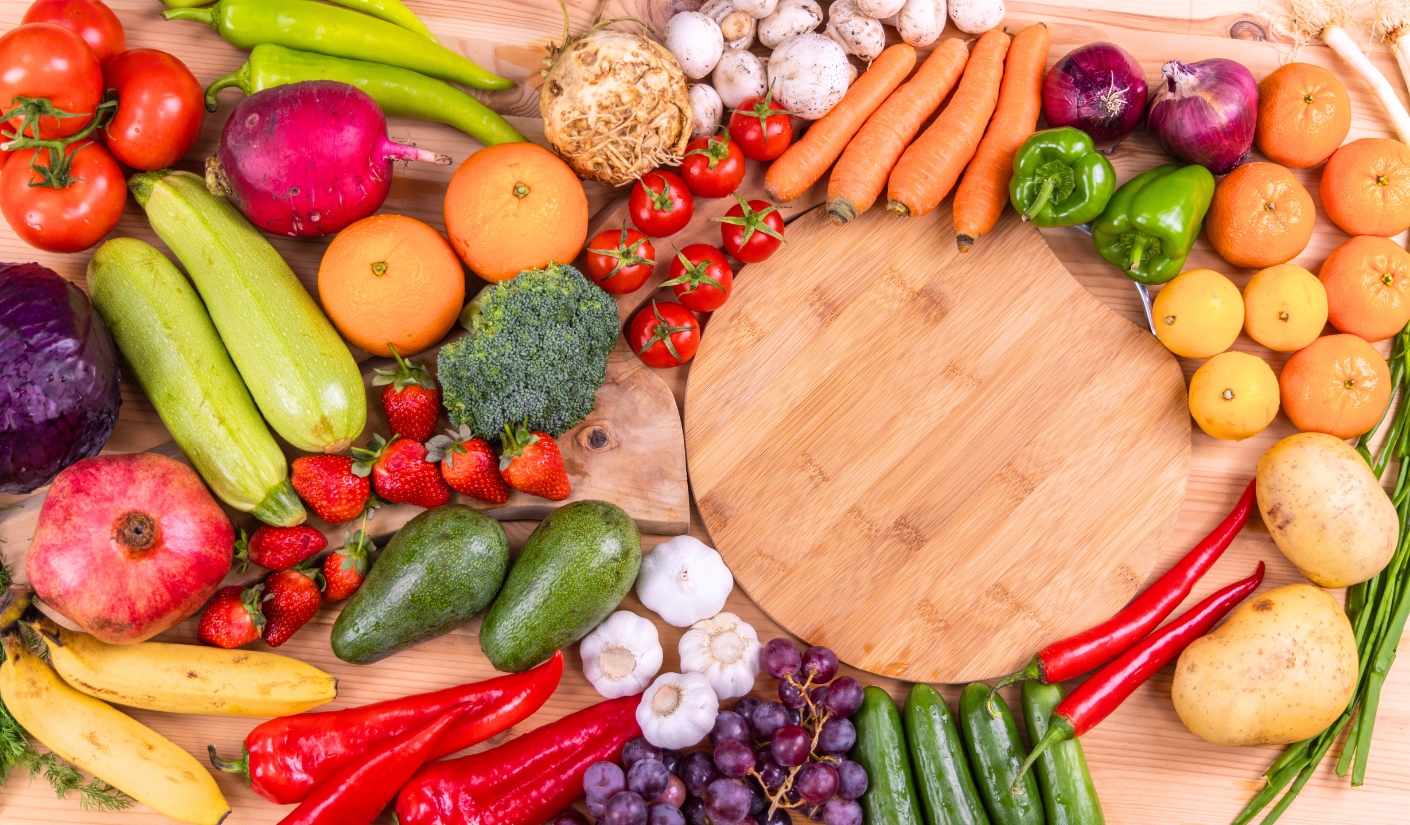
Why Fruits and Vegetables Matter More as We Age
Did you know June is National Fresh Fruit and Vegetable Month? There is no better time to celebrate the power of produce, especially for older adults. As we get older, the phrase “you are what you eat” becomes more meaningful than ever. For seniors, maintaining a balanced diet packed with fruits and vegetables is one of the simplest—and most powerful—ways to stay healthy, energized, and independent.
Why Fruits and Vegetables Matter for Seniors
Fruits and vegetables are rich in essential nutrients that support nearly every function of the body, from bone health to brain function. According to the CDC, a diet rich in fruits and vegetables can help:
- Maintain healthy digestion and prevent constipation
- Support immune function
- Reduce inflammation
- Improve memory and reduce cognitive decline
Plus, fruits and vegetables are naturally low in calories and high in fiber—both helpful in managing weight and blood sugar levels.
Common Nutrients Seniors Need—Found in Fruits & Veggies
According to the National Institute on Aging, older adults often need more of certain vitamins and minerals. The good news? Many fruits and veggies are loaded with exactly what is needed, including:
- Vitamin C – Supports immune health and skin integrity (oranges, strawberries, bell peppers)
- Potassium – Helps maintain healthy blood pressure (bananas, potatoes, spinach)
- Fiber – Aids in digestion and cholesterol control (apples, broccoli, carrots)
- Folate – Important for cell health and function (leafy greens, peas, citrus fruits)
- Vitamin A – Supports vision and immune function (sweet potatoes, mangoes, kale)
Celebrate National Fresh Fruit and Vegetable Month with Simple Changes
June is the perfect time to take a closer look at your plate. Here are four easy ways to include more fruit and vegetables in your everyday routine:
- Blend a Smoothie – Add fresh or frozen fruits like berries or bananas with some spinach or kale for a nutritious breakfast or snack.
- Snack Smart – Keep washed grapes, sliced cucumbers, or baby carrots on hand for easy snacking.
- Brighten Your Plate – Add a side of roasted vegetables to lunch or dinner. Try seasonal options like zucchini, squash, or beets.
- Soup it Up – Soups and stews are perfect for packing in extra veggies like tomatoes,
Nutrition at Four Seasons Retirement Community
At Four Seasons Retirement Community, healthy eating is part of everyday life. Through our partnership with Morrison Living, residents enjoy thoughtfully prepared meals that emphasize fresh, seasonal ingredients, including plenty of fruit and vegetables. Whether it is a vibrant salad, colorful side dishes, or fruit-forward desserts, our culinary team ensures that nutrition never comes at the expense of flavor. This commitment supports the health and happiness of every resident, helping them thrive in every season of life.
National Fresh Fruit and Vegetable Month is the perfect time to refresh your eating habits. Even minor changes—like adding more fruits and veggies—can boost your heart, brain, and immune health while making meals more colorful and enjoyable. So, whether you are grocery shopping or dining at Four Seasons, choose something fresh—your body and taste buds will thank you!
Ready to Learn More?
If you are interested in learning more about Four Seasons or would like to schedule a tour of the community, please fill out the form below.
"*" indicates required fields